Press One for Weird: The Tiny Phone Museums Keeping America’s Strangest Hotlines Ringing in 2026
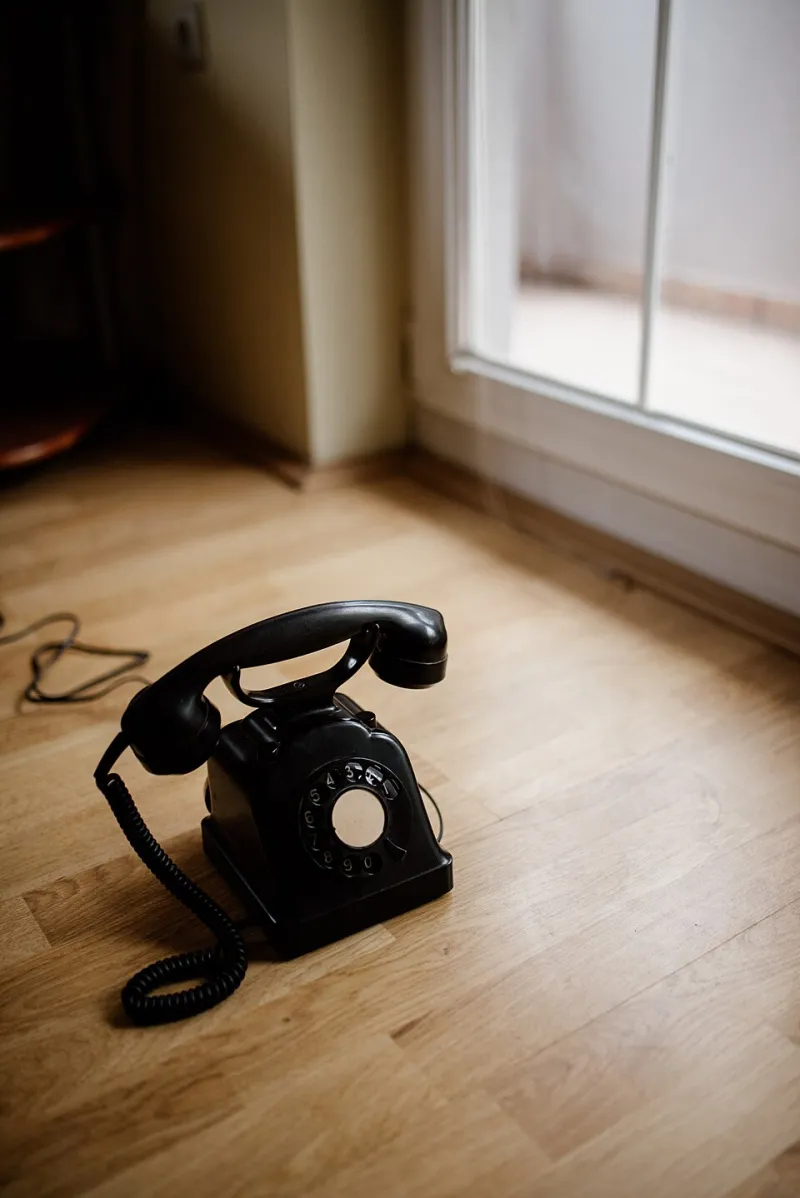
Photo: Shixart1985, CC BY 2.0, via Wikimedia Commons
Somewhere in a converted garage in central Nebraska, a phone rings. It is not a smartphone. It is a beige plastic rectangle with a handset the size of a shoe, and when you dial the number printed on a laminated card at a local historical society, a voice answers and reads you a poem about a raccoon who cannot parallel park. This is not a prank. It is infrastructure—emotional infrastructure, anyway—of America’s dial-a-weird hotline network, a loose confederation of hobbyists, tiny museums, and municipal oddballs who keep obsolete phone lines alive in 2026.
The Numbers That Refuse to Die
The concept is simple: you call a number, and something strange happens. Dial-a-poem. Dial-a-weather. Dial-a-joke. Dial-a-haiku. Dial-a-saint. The lines are run by retirees with a soldering iron, small museums with a spare closet, and phone phreaks who never got over the thrill of a busy signal. Some trace their lineage to the original Dial-A-Poem in New York in 1968, when poets recorded verses for anyone with a rotary dial and a spare dime. Others are newer, born on forums and sustained by Patreon pages and the occasional bake sale.
You will not find most of these numbers on Google Maps. You find them on a 2009 forum thread, a sticker on a lamppost in Portland, or a handwritten index card taped inside a phone museum in a strip mall outside Des Moines. That is part of the appeal. The network is not optimized. It is not curated by an algorithm. It is curated by a guy named Dale who really likes busy signals.
Why Gen Z Is Collecting Area Codes Like Pokémon
Gen Z has discovered the hotlines. Not because they lack streaming options, but because the recordings are gloriously unpolished. A dial-a-weather line in Vermont opens with a cough, a pause, and the words “sorry, I had to let the dog out.” That is the whole product. In an era of AI-generated smoothness, the hiss is the point. The crackle is the brand.
On TikTok, young people trade numbers like baseball cards. They call them “analog hotlines” and “phone fishing.” They film their reactions to dial-a-joke lines that sound like they were recorded in 1987 and never updated. They make compilations of hold music. The comments are full of people saying they feel oddly comforted. A phone tree is not a social network, but it is a connection. A stranger recorded something weird for you, and they did it on purpose.
A Road Trip Through the Static
As a travel proposition, the hotline network is deeply weird and surprisingly rewarding. You can build a whole road trip around it: the phone museum in a former switchboard office in rural Maine, the payphone exhibit inside a Route 66 gas station, the historical society in Iowa that keeps a rotary line active because a local poet left them a small endowment. Call ahead—literally. Many of these places are open by appointment, and the appointment is often just someone saying, “Sure, come by, I’ll be in the back.”
The hotlines themselves are a kind of roadside attraction. You do not need a ticket. You need a phone and a little patience. The recordings are short. The menus are confusing. The production values are nonexistent. But there is something satisfying about dialing a number that has no app, no login, and no way to monetize your attention. Just a voice, a click, and the sense that someone, somewhere, is keeping the weirdness ringing.
The Ethics of Keeping the Line Busy
The community has rules. Do not prank call. Do not tie up the line for an hour. Do not ask the dial-a-poem guy to read your ex a message. The hobbyists pay for these lines out of pocket, and they are not your personal content farm. “Line etiquette” is a real phrase in these circles. It means call once, listen, maybe leave a nice voicemail, and hang up. It means treat the hotline like a tiny museum, not a toy.
There is also a preservation question. Phone lines are infrastructure, and infrastructure decays. A hobbyist in Ohio told me he spends more on his dial-a-joke line than he does on his car insurance. He does it because the line gets calls from kids, from night-shift workers, from people who just want to hear a terrible pun at 2 a.m. The recordings are not valuable in any traditional sense. They are valuable because they are fragile.
The Deeper Dial Tone
Maybe the appeal is simpler than we think. A hotline is a one-to-one transaction with a stranger who made something weird for you. No algorithm. No engagement metrics. No comments section. Just a voice, a click, and the sense that someone, somewhere, is keeping the weirdness ringing. In 2026, that is a rare and precious thing. So call the number. Listen to the poem about the raccoon. Then hang up and let the next weirdo have a turn.