The Coin-Op Cartographers: Meet the Discord Crew Certifying America’s Strangest Vending Machines

Photo: glowing vending machine in roadside motel lobby at night, via theunlikelyhostess.com
Somewhere between the gas-station beef jerky and the hotel ice machine, America’s strangest retail experience is quietly humming. It sells fresh cookies at 2 a.m., dispenses fishing bait to people who forgot to plan, and offers a two-dollar mystery capsule that may contain a tiny plastic dinosaur or a life lesson about gambling. In 2026, these machines have their own map, their own certification process, and a Discord server full of people who will absolutely argue about whether a lobby machine selling hot sauce counts as destination vending.
Welcome to the coin-op underground—less a secret society than a very online scavenger hunt with a spreadsheet problem.
The Map That Knows Where the Socks Are
The project began, as these things do, with a humble complaint. A traveler found a vending machine in a rural bait shop that sold nightcrawlers, cheap sunglasses, and a single flavor of energy drink. It was too strange to keep to themselves. A photo went up. Someone asked for the address. Someone else asked if the machine took cards. Within a few months, a Discord server had sprouted channels for regional sightings, verification tips, and the endlessly contentious topic of “is this actually vending or just a fridge with delusions?”
Today the map is a patchwork of pins: a fresh-cookie robot in a mall food court, a lobby machine peddling socks and phone chargers, a capsule dispenser outside a laundromat, a hot-sauce vendor in a bank vestibule that nobody can fully explain. The point is not to catalog every machine in America. It is to find the ones that make you stop, tilt your head, and wonder who approved this.
The hobby has a distinctly road-trip energy. Members plan detours around verified pins. They compare parking situations. They warn each other about machines that are technically inside a private office building, which is the vending equivalent of a restaurant with an unlisted phone number.
How a Machine Earns Its Sticker
Certification is where the scene gets delightfully bureaucratic. A sighting alone is not enough. To get a pin approved, a member typically needs a clear photo of the machine, a location, a timestamp, and evidence that the thing actually works—usually a purchase. The receipt is treated like a passport stamp. If the machine is out of order, the pin may still go up, but it gets a warning label that reads, in effect, “bring quarters and lower your expectations.”
Then come the verifiers. A second member, ideally local, checks the details. Was the photo taken at the listed address? Does the machine still sell the advertised item? Is the mystery capsule genuinely mysterious, or just a repurposed toy dispenser with a sticker that says ‘mystery’? The group has learned to distinguish between whimsy and marketing.
The process sounds silly until you realize what it prevents: a map bloated with dead links, stale pins, and machines that were removed in 2023. The certification ritual is also the social glue. It gives strangers a reason to message each other, compare notes, and gently roast someone who photographed a machine through a window at a 45-degree angle.
Why Weird Vending Is Winning in 2026
Retail in 2026 is a study in contradictions. Storefronts come and go. Chain pharmacies lock up toothpaste. Yet the vending machine keeps expanding into niches that seem too small to matter and too specific to fail. Part of that is arithmetic: a machine is a tiny landlord with no cashier, no break room, and no argument about the playlist. Part of it is novelty. A fresh-cookie robot is not just a snack; it is a performance. People film it. They post the little mechanical arm. The machine becomes content, and content becomes foot traffic.
The Discord crew is careful not to romanticize every box with a coin slot. Members note that weird vending often fills gaps left by shrinking retail—late-night food, rural essentials, hotel-room forgetfulness. A bait-shop dispenser is funnier when you realize it is also a practical response to a store that cannot stay open 24 hours. The map is a record of whimsy, but it is also a record of convenience economics.
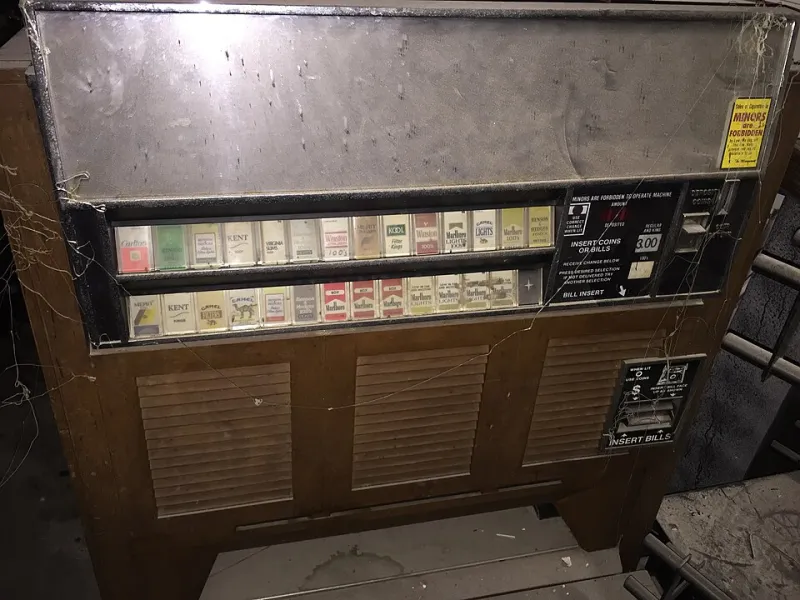
And yes, the hobby has its purists. Some members prefer machines that sell unexpected goods. Others chase mechanical antiques. A few are obsessed with capsule toys. The only universal rule is that the machine must be real, the pin must be honest, and nobody gets to claim a machine is “legendary” just because it has a hand-written sign.
The Rules of the Road
Like any good subculture, the map crew has etiquette. Do not block a sidewalk. Do not pry open a machine. Do not harass employees for information. If a machine is inside a business, buy something or ask politely. If it is broken, report it instead of staging a dramatic video. The group’s tone is humorous, but the rules are serious: the hobby survives only if it remains welcome in the real world.
There is also a quiet conservationist streak. When a strange machine disappears—removed by a landlord, replaced by a generic snack tower—members post obituaries. The tributes are half jokes, half sincere. These are not historic landmarks. They are plastic boxes in lobbies. But they are also tiny, specific memories of a place, and the map makes that plain.
In a year when so much of American life feels algorithmically smoothed, the coin-op cartographers are chasing friction. They want the detour. They want the machine that takes exact change and a little courage. They want to stand in a fluorescent-lit lobby, holding a two-dollar capsule, and wonder what on earth they are going to do with a miniature plastic lobster.
That is not a bad reason to take the long way home.